


FRESHWATER VS. SALTWATER PEARLS: HOW TO TELL THE DIFFERENCE, WHICH IS MORE VALUABLE, AND HOW TO CHOOSE
Pearls Don’t Like to Be Rushed
A pearl is born inside a living organism. It requires silence, purity, and time — which is why every pearl is a small miracle of nature.
Choosing a pearl should follow the same principle: calmly and consciously.
Even experienced buyers often ask: What’s the real difference between saltwater and freshwater pearls — and which one should I choose?
It’s simple: if the pearl tastes salty, it must be saltwater. 😄 But let’s approach this professionally.
Choosing a pearl should follow the same principle: calmly and consciously.
Even experienced buyers often ask: What’s the real difference between saltwater and freshwater pearls — and which one should I choose?
It’s simple: if the pearl tastes salty, it must be saltwater. 😄 But let’s approach this professionally.

Where Pearls Are Born
Saltwater pearls are produced by oysters of the Pinctada genus, each capable of growing only one pearl over several years.
Vietnam has a long-standing pearl cultivation tradition:
• Phu Quoc Island is known for South Sea pearls — large in size, often with silver or golden overtones.
• Halong Bay cultivates Akoya oysters, famous for their mirror-like luster and near-perfect round shape.
• Northern Vietnam’s lakes and rivers produce freshwater pearls. A single mussel can create up to twenty pearls at once, each composed entirely of nacre.
As a result, freshwater pearls often display a soft, “milky” glow and a wide color range — from white and pink to delicate lavender.
Saltwater pearls typically feature stronger, mirror-like luster and more consistently round shapes.
Freshwater pearls offer greater variety, frequently baroque forms, and a deep internal play of light.
Vietnam has a long-standing pearl cultivation tradition:
• Phu Quoc Island is known for South Sea pearls — large in size, often with silver or golden overtones.
• Halong Bay cultivates Akoya oysters, famous for their mirror-like luster and near-perfect round shape.
• Northern Vietnam’s lakes and rivers produce freshwater pearls. A single mussel can create up to twenty pearls at once, each composed entirely of nacre.
As a result, freshwater pearls often display a soft, “milky” glow and a wide color range — from white and pink to delicate lavender.
Saltwater pearls typically feature stronger, mirror-like luster and more consistently round shapes.
Freshwater pearls offer greater variety, frequently baroque forms, and a deep internal play of light.
Professional Quality Evaluation
When assessing pearls professionally, experts consider:
• Nacre thickness
• Luster
• Surface quality
• Size
• Shape and symmetry
True value is determined by the combination of these factors — not origin alone.
• Nacre thickness
• Luster
• Surface quality
• Size
• Shape and symmetry
True value is determined by the combination of these factors — not origin alone.

Authenticity Testing: A European Standard of Confidence
A small fact for your peace of mind.
Every year, millions of tourists purchase jewelry in Vietnam. High demand naturally leads to a large number of small independent vendors. According to international trade statistics, Vietnam ranks among the top three countries globally for imitation sales in the tourist segment.
This is not a scare tactic — it’s simple supply and demand economics.
In open markets, pearls may sometimes be substituted with:
• Pressed shell material
• Composite materials made from shell flakes
• Glass or plastic beads coated with pearlescent finish
Visually, they can appear convincing. However, they quickly lose their shine and hold no long-term value.
Every year, millions of tourists purchase jewelry in Vietnam. High demand naturally leads to a large number of small independent vendors. According to international trade statistics, Vietnam ranks among the top three countries globally for imitation sales in the tourist segment.
This is not a scare tactic — it’s simple supply and demand economics.
In open markets, pearls may sometimes be substituted with:
• Pressed shell material
• Composite materials made from shell flakes
• Glass or plastic beads coated with pearlescent finish
Visually, they can appear convincing. However, they quickly lose their shine and hold no long-term value.
Our Approach: Transparent Technology
At Princess Jewelry Vietnam, we use a fluorescent X-ray spectrometer (XRF analyzer).
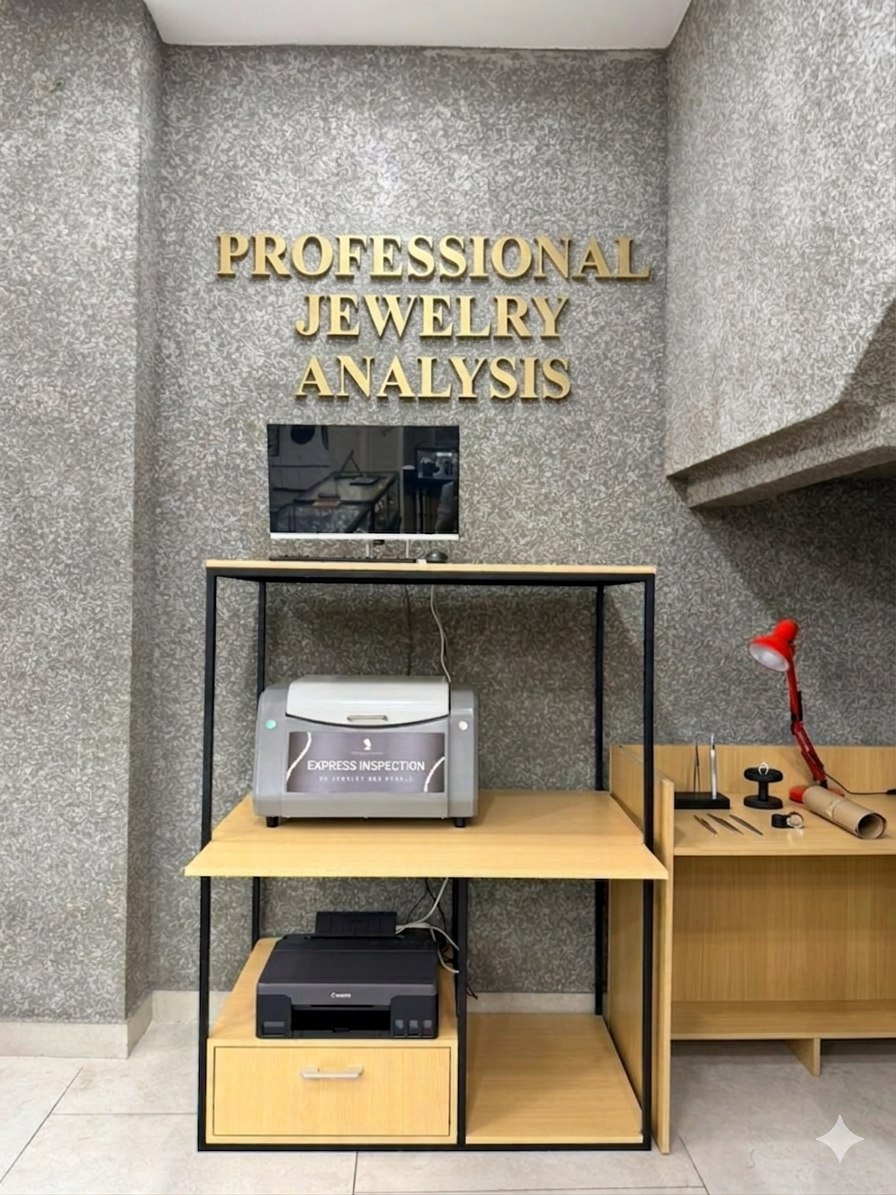
This laboratory-grade equipment:
• Determines the precise chemical composition of a material
• Confirms whether a pearl is saltwater or freshwater
The process is completely safe for the jewelry and takes only a few minutes.
This level of verification aligns with international gemological standards.
That is why we speak not about trust in words — but trust confirmed by technology.
Only in our Nha Trang boutiques can you perform this test on-site and receive a certificate of authenticity.
• Determines the precise chemical composition of a material
• Confirms whether a pearl is saltwater or freshwater
The process is completely safe for the jewelry and takes only a few minutes.
This level of verification aligns with international gemological standards.
That is why we speak not about trust in words — but trust confirmed by technology.
Only in our Nha Trang boutiques can you perform this test on-site and receive a certificate of authenticity.
Which Pearl Is Right for You?
If you are looking for a statement piece that conveys status and timeless elegance, choose Akoya or South Sea pearls — their luster quite literally “radiates” light.
If you prefer natural softness, organic shapes, and understated charm, freshwater pearls are ideal for everyday wear and symbolize harmony with nature.
The true value of a pearl lies not in its price, but in how it reflects your personality and energy.
If you prefer natural softness, organic shapes, and understated charm, freshwater pearls are ideal for everyday wear and symbolize harmony with nature.
The true value of a pearl lies not in its price, but in how it reflects your personality and energy.
Where to Buy Authentic Pearls in Vietnam?
At Princess Jewelry Vietnam, you will find:
• Saltwater and freshwater pearl collections
• Jewelry featuring natural gemstones
• Exclusive handcrafted designer pieces
Each item comes with:
• A certificate of authenticity
• Professional consultation
Our boutiques are located:
• In Nha Trang’s tourist district (3rd line)
• At AB Central Square
• In the southern part of the city (see the “Contacts” section for addresses)
Our Russian-speaking consultants will clearly explain the differences, help you choose confidently according to your style and budget, share information about gemstone origins, and provide proper care recommendations.
• Saltwater and freshwater pearl collections
• Jewelry featuring natural gemstones
• Exclusive handcrafted designer pieces
Each item comes with:
• A certificate of authenticity
• Professional consultation
Our boutiques are located:
• In Nha Trang’s tourist district (3rd line)
• At AB Central Square
• In the southern part of the city (see the “Contacts” section for addresses)
Our Russian-speaking consultants will clearly explain the differences, help you choose confidently according to your style and budget, share information about gemstone origins, and provide proper care recommendations.

FAQ — Frequently Asked Questions
1. Can you spot a fake pearl by eye?
Sometimes — yes. However, modern composite materials can look very convincing. Only an XRF spectrometer provides an accurate composition analysis.
2. Why are saltwater pearls more expensive than freshwater pearls?
A saltwater oyster produces only one pearl at a time, and cultivation takes several years. Saltwater pearls also tend to have stronger luster and higher symmetry.
3. Is XRF testing safe?
Yes. The method is non-destructive and widely used in international gemological laboratories.
4. Why is it better to buy from a boutique rather than a market stall?
Not because of fear — but because of guarantees: certification, instrument-based verification, professional responsibility, and consistent quality standards.
5. How should pearls be cared for?
Avoid contact with perfume, chemicals, and high heat. After wearing, gently wipe them with a soft damp cloth and store separately from other jewelry.
6. Which pearls are best for everyday wear?
Freshwater pearls are generally more resistant to minor surface damage and ideal for daily use, while saltwater pearls are perfect for formal and statement pieces.
1. Can you spot a fake pearl by eye?
Sometimes — yes. However, modern composite materials can look very convincing. Only an XRF spectrometer provides an accurate composition analysis.
2. Why are saltwater pearls more expensive than freshwater pearls?
A saltwater oyster produces only one pearl at a time, and cultivation takes several years. Saltwater pearls also tend to have stronger luster and higher symmetry.
3. Is XRF testing safe?
Yes. The method is non-destructive and widely used in international gemological laboratories.
4. Why is it better to buy from a boutique rather than a market stall?
Not because of fear — but because of guarantees: certification, instrument-based verification, professional responsibility, and consistent quality standards.
5. How should pearls be cared for?
Avoid contact with perfume, chemicals, and high heat. After wearing, gently wipe them with a soft damp cloth and store separately from other jewelry.
6. Which pearls are best for everyday wear?
Freshwater pearls are generally more resistant to minor surface damage and ideal for daily use, while saltwater pearls are perfect for formal and statement pieces.


